Fucoidan ameliorate renal interstitial fibrosis
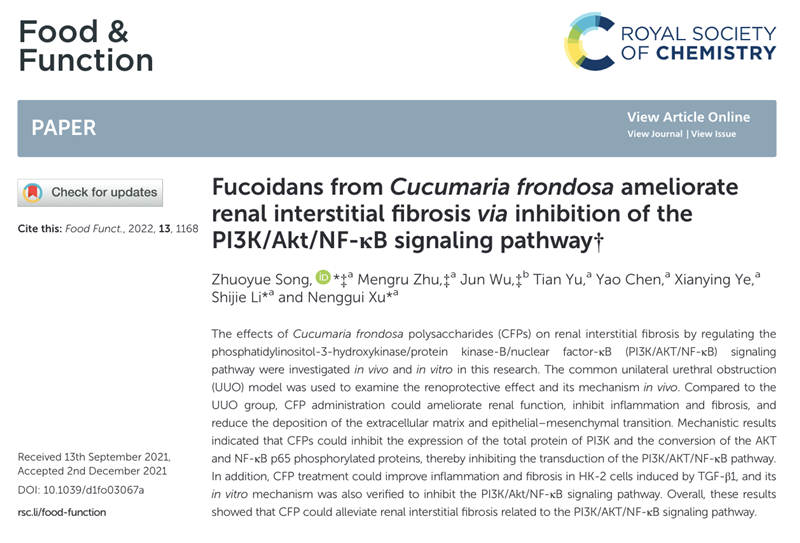
Fucoidan ameliorate renal interstitial fibrosis via inhibition of the PI3K/Akt/NF-kB signaling pathway
Did your physical exam reveal proteinuria and elevated creatinine, but you dismissed it? Long-term kidney inflammation and the accumulation of scar tissue leading to renal interstitial fibrosis are the core culprits behind the continuous deterioration of various chronic kidney diseases and their eventual progression to uremia. Traditional medications can only alleviate surface indicators and are unlikely to simultaneously break the vicious cycle of inflammation and fibrosis. Today, we'll interpret authoritative research from *Food & Function*, focusing on marine active polysaccharides—fucoidan—which achieves root-cause kidney protection through its natural multi-target effects.
The Hidden Crisis of Kidney Disease: Inflammation + Fibrosis Doublely Destroy Kidney Function
The kidneys are the body's own "water filter," with the renal tubules and interstitium forming the core of the filtration process. Stimuli such as high blood sugar, metabolic damage, and chronic inflammation can continuously cause irreversible damage to the kidneys, with two major types of damage occurring simultaneously:
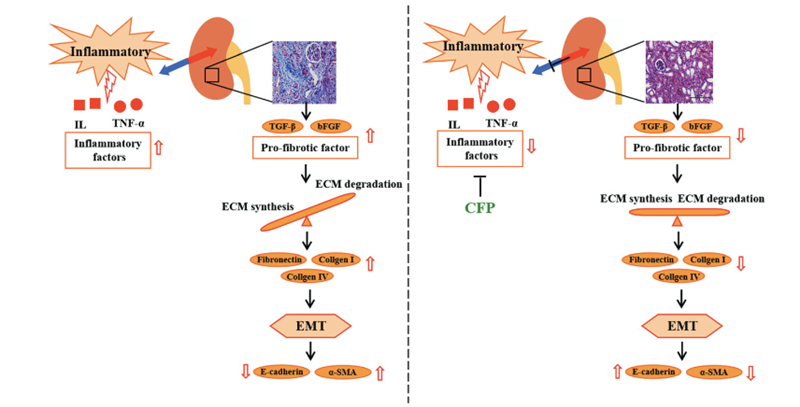
A persistent inflammatory cycle, continuously attacking kidney cells. Damaged kidneys release large amounts of inflammatory factors such as IL-1β, IL-6, and TNF-α, constantly eroding renal tubular epithelial cells, forming a vicious cycle of "kidney damage → inflammation outbreak → further damage," continuously overdrawing the kidneys' compensatory capacity.
The kidneys continuously build scars, gradually losing their filtration function. Inflammation activates TGF-β1, a pro-fibrotic factor, causing normal renal tubular cells to undergo epithelial-interstitial transformation, secreting large amounts of scar substances such as collagen and fibronectin. Healthy kidney tissue is replaced by sclerotic scars, and the glomerular filtration capacity continues to decline, slowly developing into kidney failure.
What's more challenging is that early-stage renal fibrosis often presents with few noticeable symptoms. By the time symptoms such as edema, fatigue, and significantly abnormal indicators appear, kidney damage is often irreversible. Conventional blood sugar and blood pressure medications can only slow the progression of the disease and cannot simultaneously block inflammation or inhibit scar formation. There is an urgent clinical need for safe and effective natural intervention substances.
Fucoidan targets the core pathway, simultaneously exerting anti-inflammatory and anti-fibrotic effects
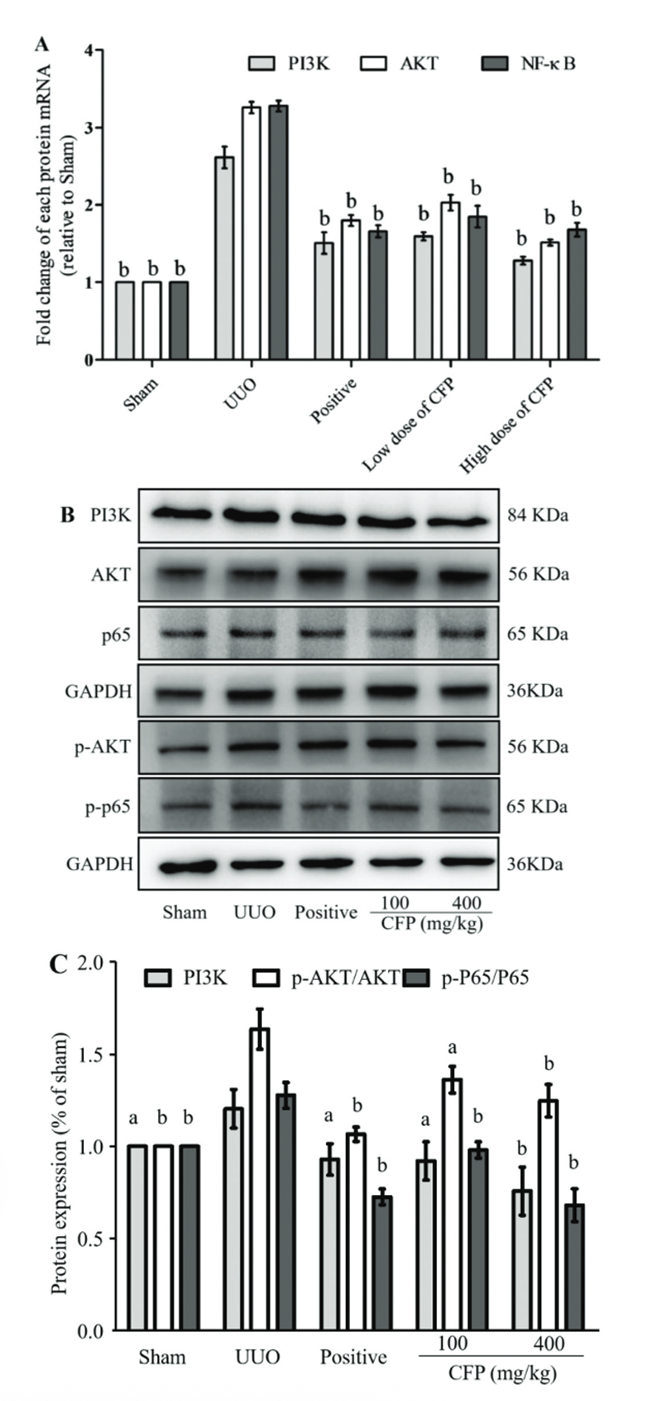
This study, through dual validation using animal models and human renal tubular cells, confirmed that fucoidan can target and regulate the key PI3K/Akt/NF-κB pathway in kidney disease. Overactivation of this pathway leads to simultaneous exacerbation of inflammation and fibrosis. Fucoidan can inhibit this entire damage signaling chain at its source:
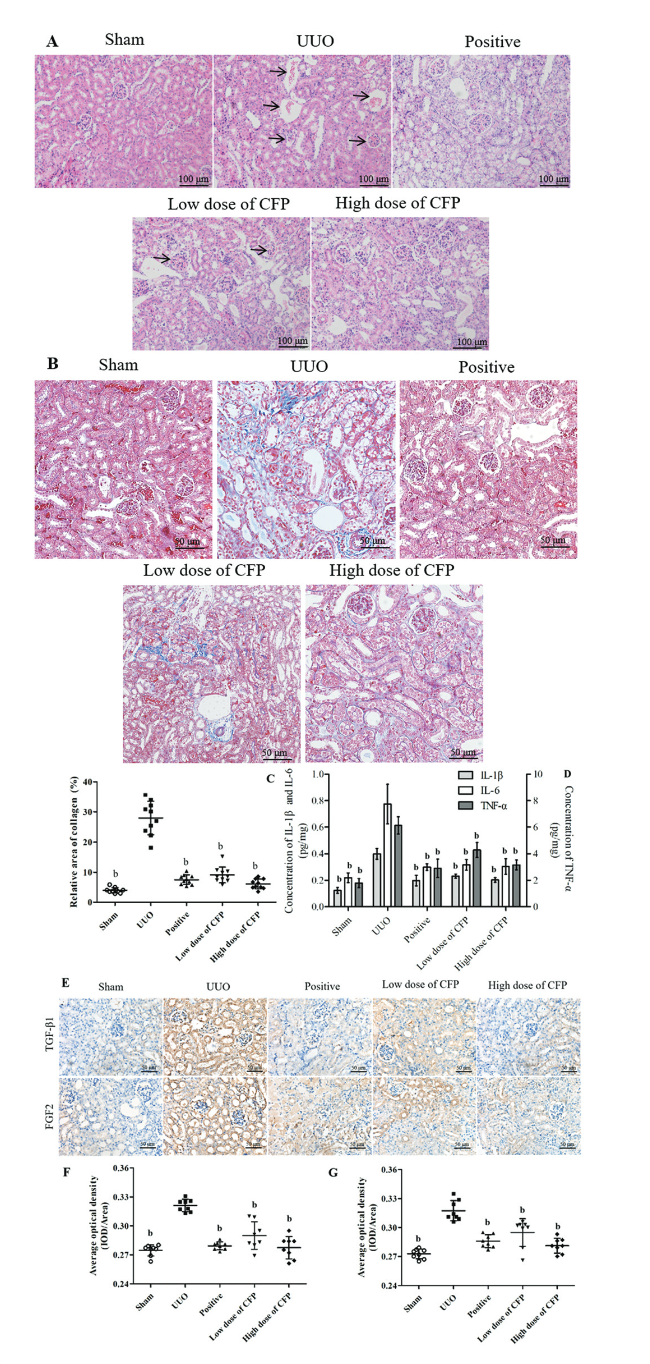
It shuts down the main inflammatory switch, calming persistent kidney inflammation. NF-κB is a core inflammatory regulator in the body; overactivation of this pathway leads to the continuous secretion of inflammatory mediators. Fucoidan downregulates PI3K protein expression, inhibits Akt and NF-κB protein phosphorylation, weakens the activity of the entire pathway, significantly reduces the content of various pro-inflammatory factors in the kidneys, and cuts off inflammatory stimulation at its root.
Blocking the fibrosis chain and reducing renal scar accumulation: After the pathway is inhibited, the secretion of TGF-β1 and FGF2 pro-fibrotic factors is significantly reduced, and two major kidney-protective effects are achieved simultaneously: inhibiting epithelial-mesenchymal transition (EMT): stabilizing normal renal tubular cells and preventing them from transforming into myofibroblasts that generate a large number of scars; reducing extracellular matrix deposition: significantly reducing the accumulation of scar substances such as collagen and fibronectin, and alleviating renal edema and organ enlargement.
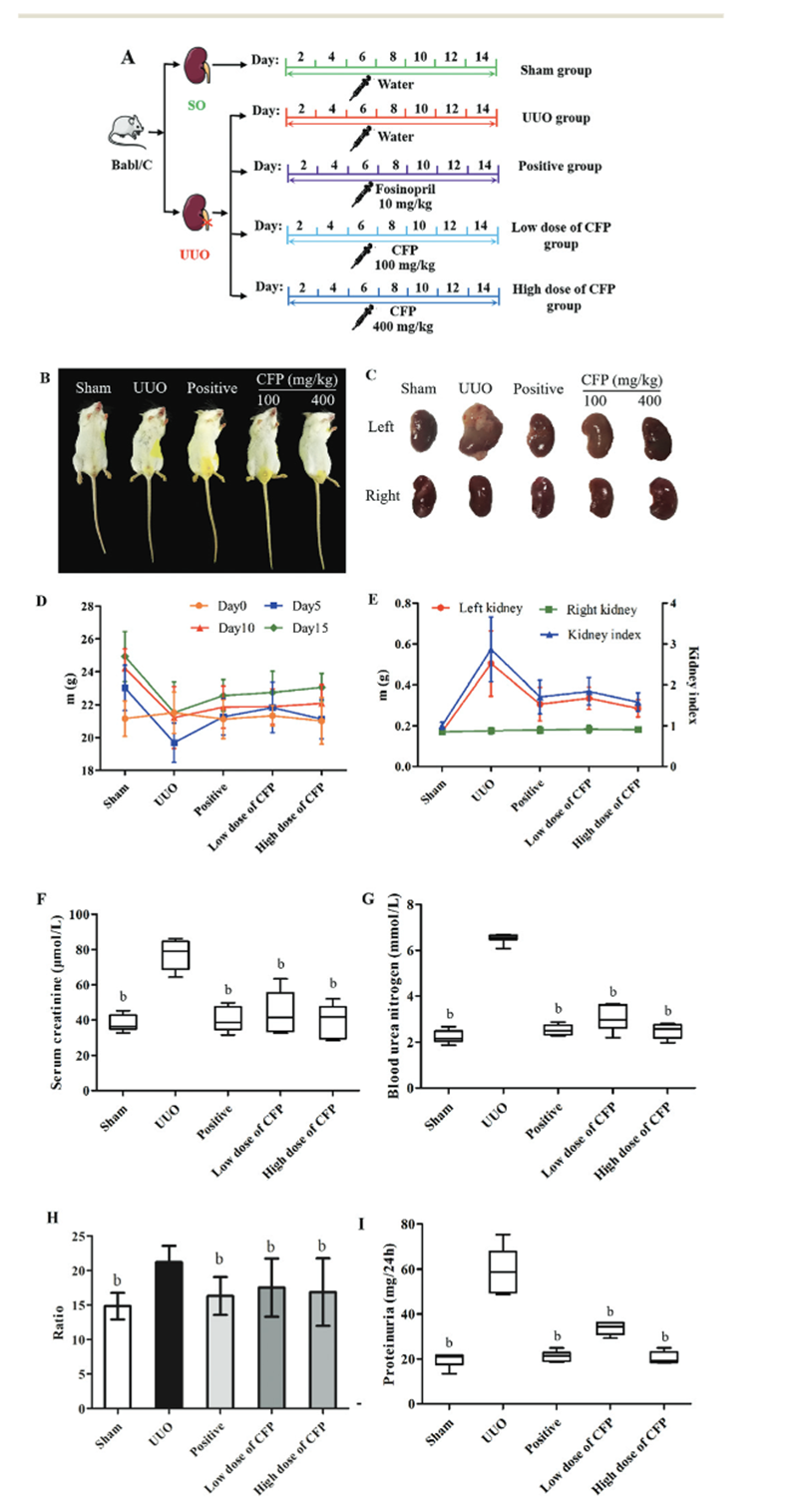
Experimental data directly corroborated that the kidneys of the fibrosis model mice were significantly enlarged, with serum creatinine, blood urea nitrogen, and 24-hour urinary protein levels doubling. After intervention with fucoidan, all renal function indicators significantly decreased, and the collagen deposition area in the kidneys of the high-dose group was only 1/4 of that in the damaged model group, with the kidney tissue structure recovering to a near-healthy state. The kidney-protective effect was comparable to commonly used clinical kidney-protective drugs. In vitro cell experiments further verified that fucoidan can effectively protect renal tubular cells and resist damage stimulation.
Four core advantages make fucoidan a top choice for natural kidney protection
Compared to chemical drugs and common plant-based health supplements, fucoidan possesses irreplaceable comprehensive advantages, making it a highly promising active substance for kidney disease management:
Natural marine active polysaccharide, gentle and burden-free, suitable for long-term maintenance. Fucoidan is extracted from brown algae, a natural food-derived raw material. Experiments have proven its safety and low toxicity, without adding extra metabolic burden to the liver and kidneys. Unlike Western medicines with single targets and the potential for side effects with long-term use, it is suitable for long-term daily conditioning for individuals with abnormal kidney function or high risk of chronic diseases.
Single-pathway bidirectional regulation, simultaneously addressing the two core issues of inflammation and fibrosis. Most kidney-protecting ingredients can only provide single anti-inflammatory or single anti-fibrotic effects, with a single dimension of intervention. Fucoidan, however, targets the core damage pathways of PI3K/Akt/NF-κB, simultaneously blocking the onset of inflammation and inhibiting renal scar hyperplasia through a single pathway, comprehensively intervening in the chain of kidney disease deterioration, with a more comprehensive mechanism of action.
Comprehensive Improvement of Core Renal Function Indicators: Fucoidan not only alleviates renal pathological sclerosis but also simultaneously lowers three key health indicators—serum creatinine, blood urea nitrogen, and urinary protein—reducing the filtration burden on the kidneys, improving renal edema and hypertrophy, and achieving dual repair of renal tissue structure and physiological filtration function.
Adaptability to Multiple Dosing Regimens: Precise Targeting Enhances Renal Protection Efficiency. Fucoidan can be combined with polysaccharide nanocarriers for non-invasive nasal targeted drug delivery. The carriers, relying on the highly expressed P-selectin at inflammatory lesions, actively accumulate in damaged kidneys, increasing the concentration of active substances at the lesion site. It can be formulated into daily oral maintenance preparations or developed into precise targeted treatment regimens to meet different renal disease intervention needs.
While chronic kidney disease is difficult to completely reverse, the progression of renal interstitial fibrosis can be intervened in advance. Multiple authoritative experiments have confirmed that fucoidan, with its clear molecular mechanism of action and solid in vitro and in vivo data, is a highly promising natural kidney-protective active polysaccharide. For individuals with diabetes, hypertension, or mild renal dysfunction, daily supplementation with fucoidan can proactively block the progression of inflammation and fibrosis, safeguarding kidney health.